solar4STEM Science Kits
Menu

3 Hands-on DIY solar4STEM Experiments to Enjoy!

6/24/2020

0 Comments

 
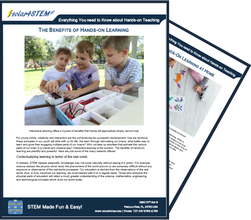
everything you need to know about hands-on learning solar4stem guide download

FREE DOWNLOAD

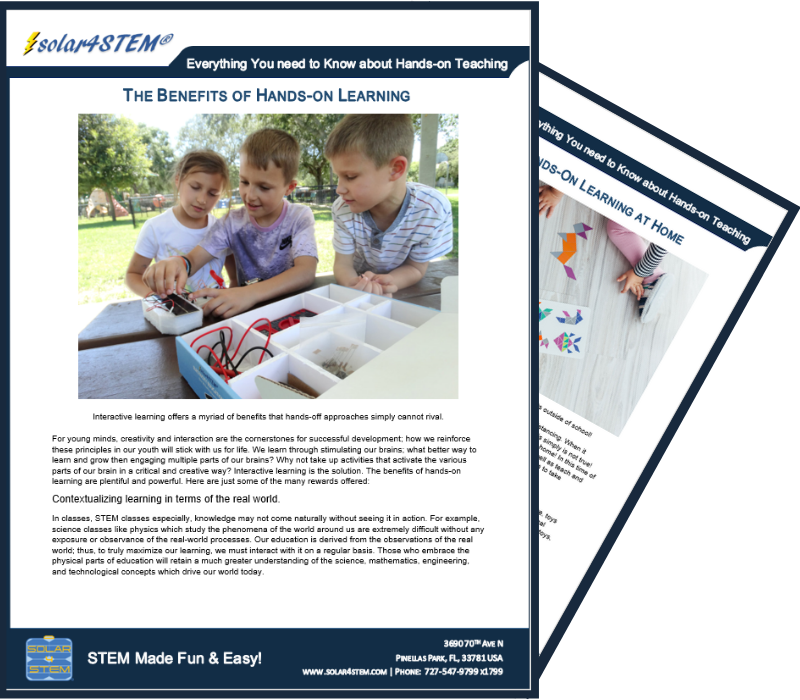
Everything You Need to Know About Hands-on Teaching

Access Now
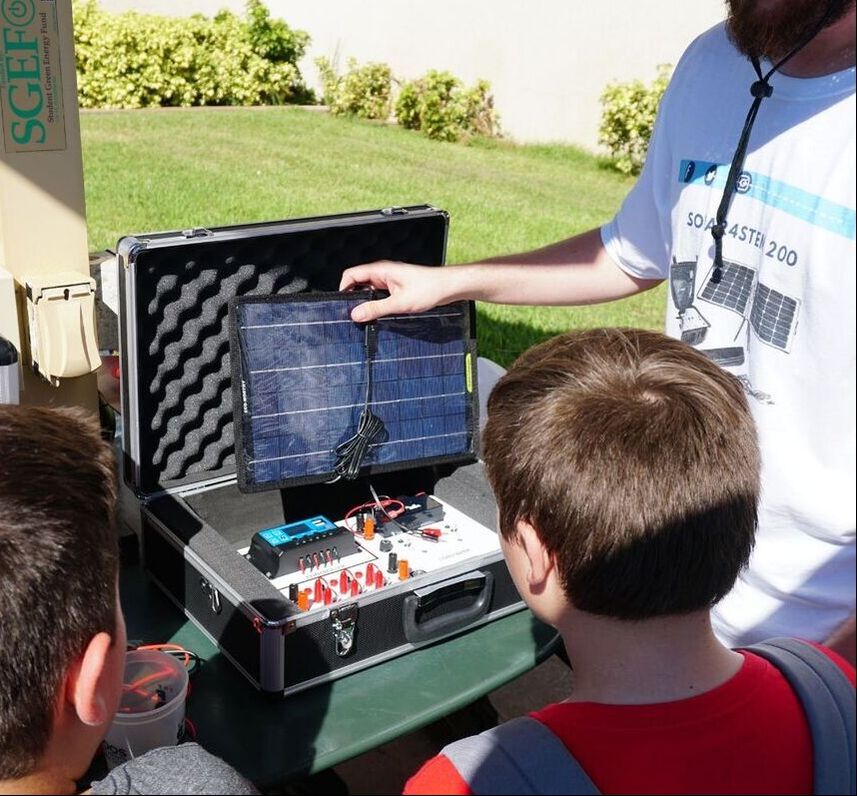
solar4stem 50 educational stem science kit solar power outdoors kids
Experiments are a perfect way to expand your mind to the concepts of STEM and the physical world.

​While we may be stuck indoors, there are still ways you can harness the power of light to learn about the concepts of natural phenomena like solar energy!

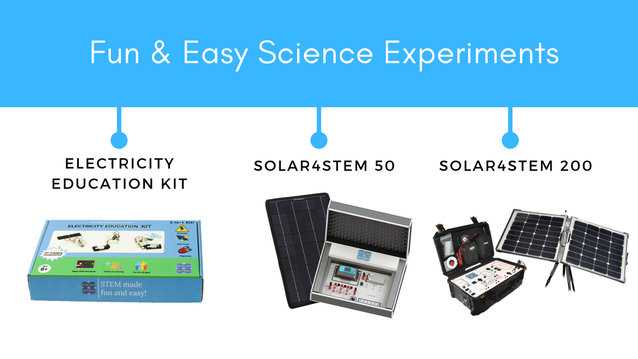
Here are three experiments you can do yourself at home with the same set of materials for the whole family to enjoy, derived from CME’s very own solar4STEM science kits!
Materials for Experiments
These materials can be reused for all these experiments:
  • Solar panel (of any size)
  • Digital Multimeter
  • Light source (e.g. desk lamp)
  • Breadboard (or soldering tools)

1 – Varying Light Intensities on a Solar Panel

Solar energy works by capturing photons and turning them into electricity; what do you predict will happen when the intensity of light, or the amount of photons, changes? Is there a limit to the efficiency of a solar panel?
  1. Plug the black test lead into the bottom socket of the Digital MultiMeter and the red test lead into the middle socket of the Digital MultiMeter
  2. Move the Dial on the Digital MultiMeter to the 20 in the DCV region. Touch the ends of the black and red test leads to make sure the voltage on the Digital MultiMeter Reads 00.0
  3. Take the black wire of one solar panel and the red wire of the other solar panel and connect them in the same row on the breadboard.
  4. Take the digital multimeter and touch the red test lead to the remaining red wire of the solar panels and the black test lead to the remaining black wire. Read the voltage of the solar panels in series.
  5. Shine a Desk Lamp on the Solar Panel and observe how the voltage changes as you move the lamp closer and further from the Solar Panel.

2 – Optimum Orientation of a Solar Panel

Solar panels work through the photoelectric effect, where photons collide and dislodge electrons located in the solar cell. What were to happen if we adjusted the orientation of the solar panel? Is there an ideal angle which allows photons to collide with the solar panel to eject the most electrons?
  1. Repeat steps 1-4 of experiment 1.
  2. Shine a Desk Lamp on the Solar Panel and observe the voltage.
  3. Change the angle of the solar panel by rotating it and observe how the voltage changes. Slowly adjust and make observations about which angle provides the highest reading to obtain the optimal orientation.

3 – Temperature Affecting Energy Collection

Photons kick electrons out of their existing energy states to produce a current; this difference from initial to final energies gives us electricity. Temperature is the measure of average kinetic energy; if we were to raise the temperature, what would happen to the electron’s initial energy? If the energy provided by the photon were to not change, what would happen to the overall energy collection? Follow these steps to find out:
  1. Repeat steps 1-4 of experiment 1.
  2. Shine a Desk Lamp on the Solar Panel and observe the voltage.
  3. Keep the solar panel under the Desk Lamp for an extended period. The panel will begin to heat up. Record the voltage and current over time.
  4. Use the formula, power is equal to voltage times current to calculate the power over time.
everything you need to know about hands-on learning download guide solar4stem

FREE DOWNLOAD

Everything You Need to Know About Hands-on Learning

Access Now

Choose solar4STEM

With these three experiments, you can bring the world of solar energy right into your home!

​If you’re looking for a world of many more STEM experiments, choose CME and solar4STEM as the best choice for your science solutions.
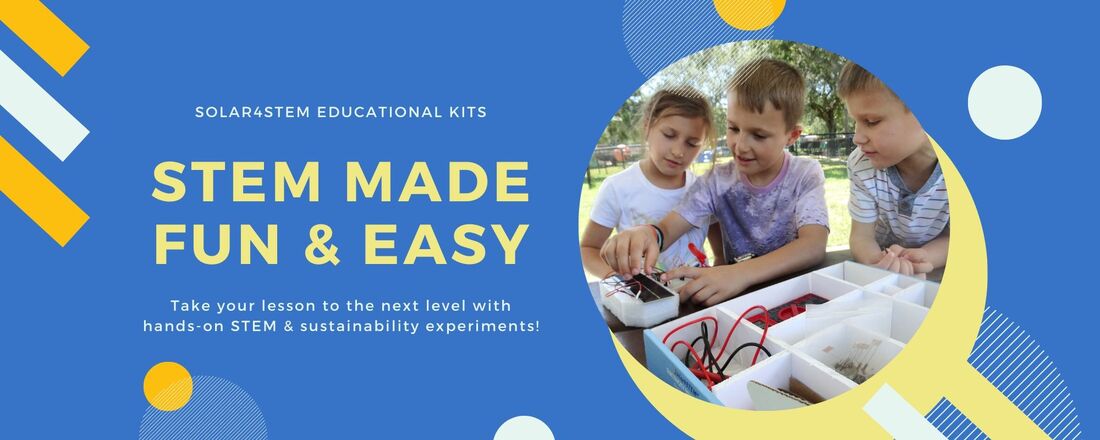
soalr4stem educational kits stem made fun & easy hands-on sustainability science kids

Related Articles
Picture
The Benefits of Hands-on Learning
Picture
Everything You Need to Know About Hands-on Learning
Picture
[Quiz] What's Your Learning Style?

Picture
Home
Contact Us
Store
Blog
Follow us:
Author: Martin Stavro
​
​solar4STEM designs solar powered science kits for students ages 8+. Learn about renewable energy, and electricity hands on with one of solar4STEM's three kits.
Picture
0 Comments

Your comment will be posted after it is approved.


Leave a Reply.

    Archives

    May 2021
    April 2021
    October 2020
    July 2020
    June 2020
    May 2020
    March 2020
    January 2020
    December 2019
    October 2019
    July 2019
    May 2019
    November 2018
    October 2018

    Categories

    All
    Hands On Learning
    Hands-on Learning
    Parent
    STEM
    Sustainability
    Teacher

    RSS Feed

Picture

Make STEM Fun & Easy!

​Located in Pinellas Park, FL, solar4STEM has been providing parents and educators interactive STEM kits to keep kids engaged. Let us help you make STEM fun & easy with hands-on experiments!

Follow Us

3845 Gateway Centre Blvd.,
Suite 360
​Pinellas Park, FL 33782

Vertical Divider

Quick Links

About Us
Blog
​Contact Us
Resources

Educational Solutions

Electricity Kit
solar4STEM 200
solar4STEM 50

How We Can Help

Educators
Parents
​GSA
Vertical Divider

    Contact Us

Submit
Picture
Picture
Picture
Privacy Policy
Terms of Service
Sitemap
Range.me
  • Home
  • About
  • Products
    • Electricity Kit
    • Solar4STEM 50
    • solar4STEM 200
  • Store
  • Blog
  • Home
  • About
  • Products
    • Electricity Kit
    • Solar4STEM 50
    • solar4STEM 200
  • Store
  • Blog